Last updated November 18, 2026
Prefab or Site-Built ADU in Paradise: How to Choose
Every prefab ADU company leads with a number: twelve weeks, sixteen weeks, “on your lot in a season.” What the brochure doesn’t spell out is that the factory clock starts after site work is finished. On a Paradise lot, grading, utility trenching, and the run-up to plan review can eat the entire head start before a single module ships. So the question isn’t really prefab versus site-built in the abstract. It’s which approach fits your lot, your timeline, and how much of the process you want to hand off. We’ll walk through both honestly, including where prefab genuinely wins and where site-built pulls ahead in Paradise.
Quick Answer
For most Paradise properties, site-built ADUs usually close the timeline gap that prefab marketing implies, because local site work, crane logistics, and plan review happen on both paths anyway. Prefab from a brand like Abodu, Cover, or Dvele wins when you want design certainty and factory-controlled finishes with minimal decisions. Site-built wins when your lot is irregular, you want a custom layout, or you want your builder accountable on the ground in Paradise. The right answer depends on your lot and goals, not on which model photographs better.
Table of Contents
- What a Real Prefab Timeline Looks Like in Paradise
- Where Prefab Genuinely Wins
- Where Site-Built Wins in Paradise
- How Abodu, Cover, and Dvele Differ in What They Hand Off
- The Hybrid Option: Prefab Panels, Site-Built Shell
- Site Conditions That Decide the Question
- A Step-by-Step Way to Choose
- What Each Path Costs and What Drives the Number
What a Real Prefab Timeline Looks Like in Paradise
The honest prefab timeline on a Paradise lot has four phases, and only one of them is fast. Understanding this up front keeps you from budgeting around a number that was never going to hold.
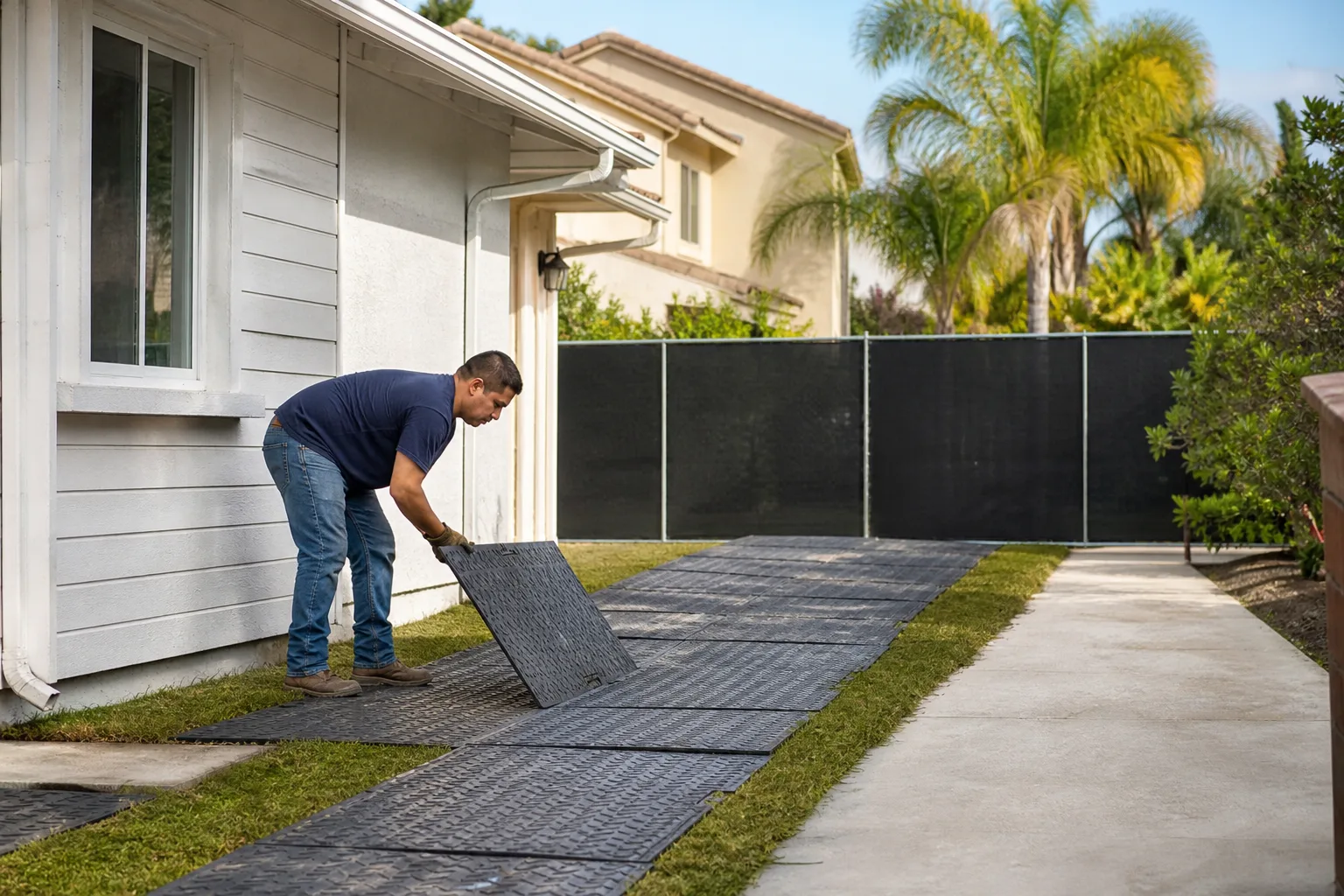
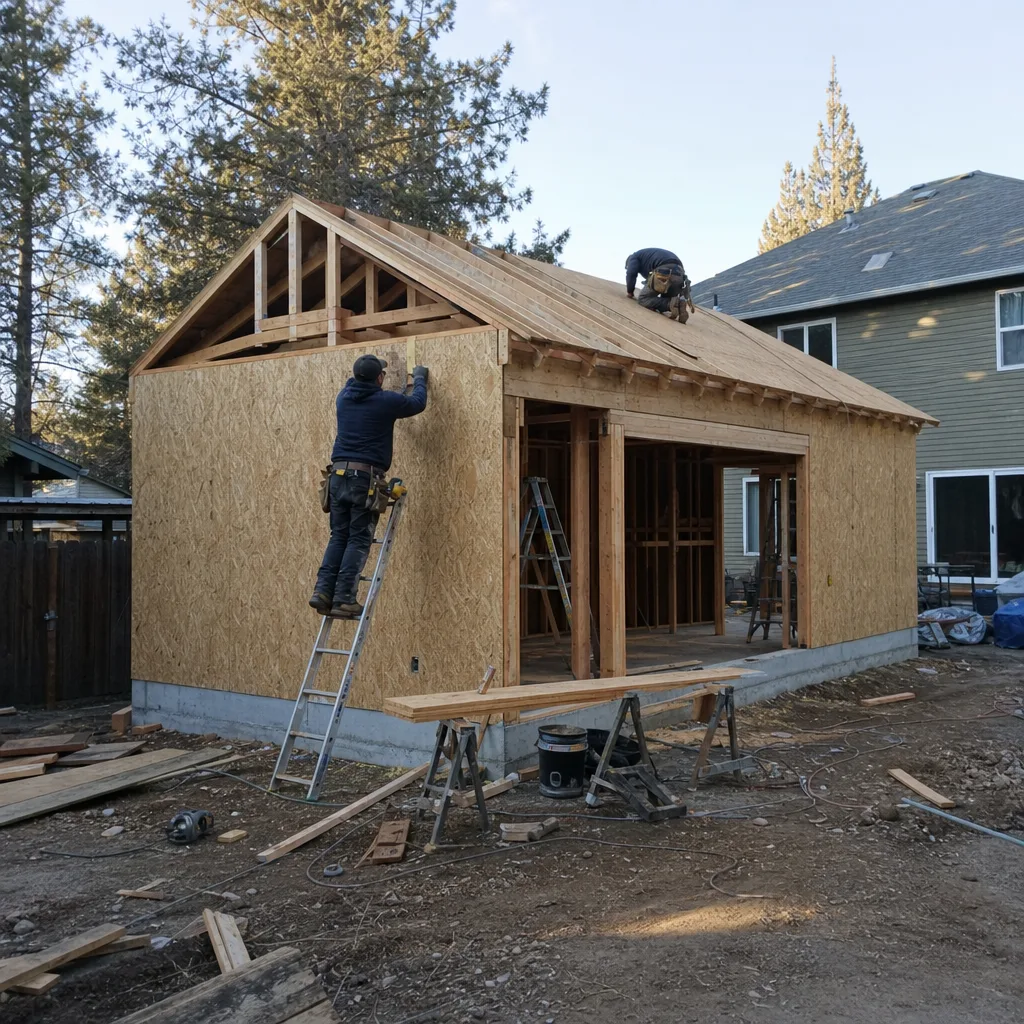
- Site preparation and utility work (roughly 6 to 10 weeks). This covers grading, foundation or pier work, and trenching for water, sewer, and electrical. It’s the phase prefab marketing quietly excludes from the headline number. On a flat lot with utilities already at the property line, it’s faster. On a lot with slope or an old garage slab to remove, it runs longer.
- Plan review and permits. Prefab units still need permits, and the review runs through the city and county just like a site-built plan set. Factory certification doesn’t skip the local step.
- Factory build (the part that actually is fast). Once the order is locked, the factory builds the unit while your site work finishes in parallel.
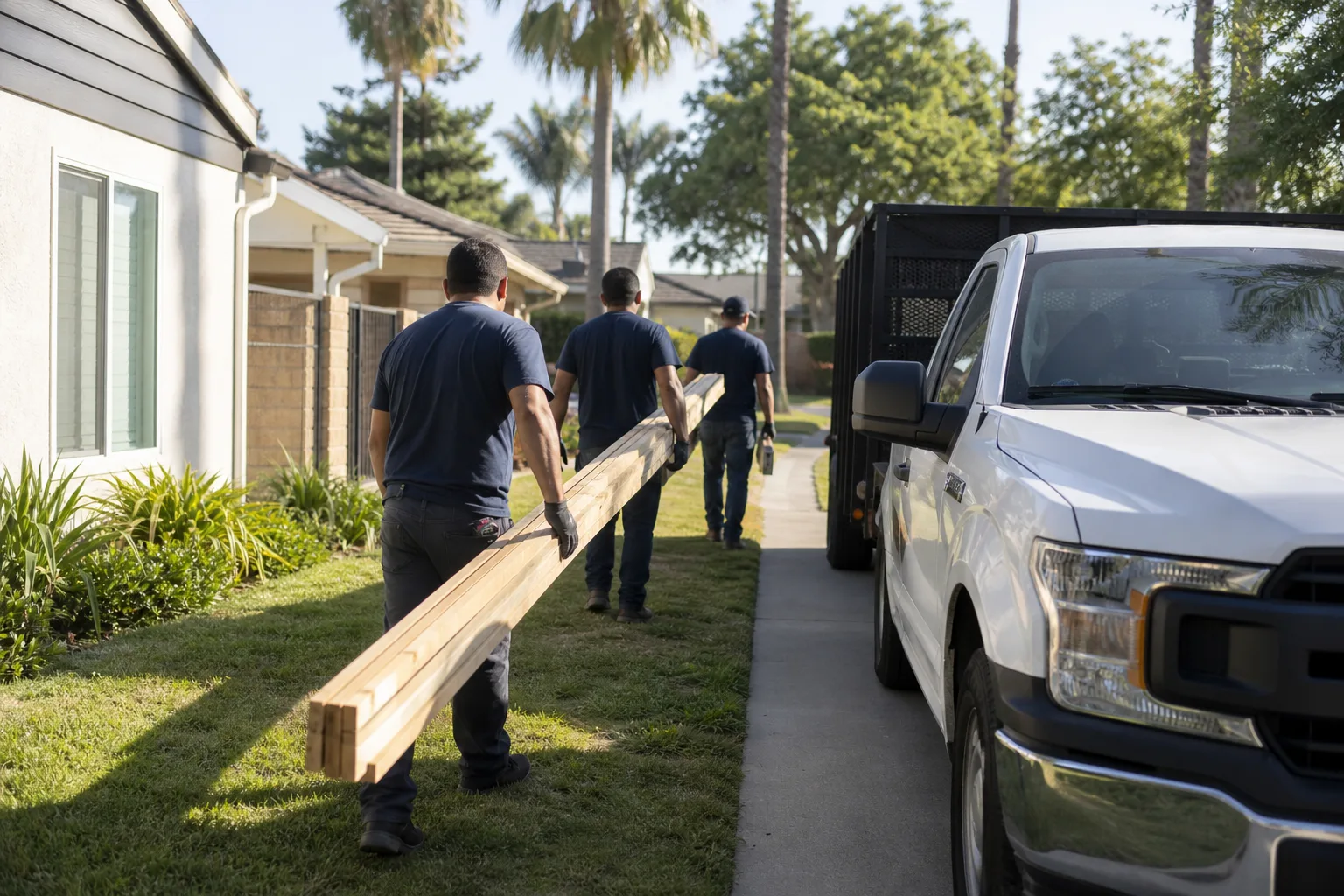
- Delivery and set. The module arrives by truck and gets craned onto the foundation. Crane access matters, and summer heat changes how crews schedule the set day.
The key insight is overlap. Prefab’s advantage comes from building the unit while site work runs, not from eliminating site work. In Paradise, where site prep alone can run 6 to 10 weeks, that overlap is real but the total project still stretches well past the brochure figure. We’ve seen this repeatedly: the homeowner expects twelve weeks and the calendar says closer to five or six months once everything lands.
Where Prefab Genuinely Wins
Prefab isn’t marketing fluff. On the right property, a factory-built unit from a brand like Cover or Dvele delivers things a site-built job struggles to match.
- Design certainty. You pick a model, and the drawings, finishes, and dimensions are already fixed. No “we’ll figure out the kitchen during framing.” That certainty is worth a lot to homeowners who don’t want dozens of decisions.
- Factory-controlled quality. A unit built indoors in a climate-controlled plant isn’t exposed to rain, dust, or the kind of on-site variability that produces inconsistent framing. Every unit comes off the same line to the same tolerances.
- Known finish specifications. This is the quiet win. Site-built jobs carry allowances on flooring, countertops, fixtures, and cabinetry, and those allowances are where budgets drift. A prefab quote typically lists the actual finishes. You know what you’re getting and what it costs before you sign.
- Fewer on-site trades to coordinate. The factory handles the build. Your local crew handles site and set. That’s fewer people to schedule and fewer handoffs that can slip.
For a homeowner who values predictability over customization, prefab is a legitimate choice, not a compromise. The trick is going in with eyes open about the site work that surrounds it, especially on a Paradise lot where grading and utilities set the real start date.
Where Site-Built Wins in Paradise
The case for site-built ADUs in Paradise rests on three things prefab can’t easily match: lot fit, local accountability, and delivery risk.
Layout customization for irregular lots. Not every Paradise lot is a clean rectangle. Some have odd setbacks, an existing structure to work around, or a footprint that only a custom layout can use well. A site-built ADU bends to the lot. A prefab module doesn’t. When the site is the constraint, ADU builders who design around the property give you options a fixed module can’t.
Local subcontractor accountability. On a site-built job, the crew and the builder are on the property, in Paradise, through the whole build. If something’s off during framing, it gets corrected before it’s buried behind drywall. With prefab, the shell shows up finished and any issue discovered on site is a conversation with a factory that isn’t there.
No cross-country delivery risk. A prefab module travels by truck across the desert in summer heat. That’s a real risk: heat exposure, transport damage, and a set day that depends on crane scheduling and road conditions. A site-built shell doesn’t have any of that travel. It goes up on your lot, in Paradise, in the sequence you can see.
We’re not arguing against prefab. We’re arguing that the decision is property-specific. On a simple lot with a standard footprint, prefab earns its place. On a lot that needs a layout tailored to it, site-built usually serves the homeowner better. If the shape of your property is the deciding factor, a room addition contractor who works in the ADU space can help you compare what fits.
How Abodu, Cover, and Dvele Differ in What They Hand Off
The prefab brands aren’t interchangeable. What separates them, more than materials or finishes, is how much of the project they take on and how much they leave with you and your local team. That difference is where homeowners get surprised.
Abodu tends to run toward an end-to-end service model, coordinating the build and installation as a package. It’s the most hands-off of the major platforms if that’s what you want: fewer decisions, one company in the driver’s seat. The trade-off is that site preparation and some local permitting work still involve your property and local resources.
Cover leans toward a streamlined, standardized model built around a set of fixed designs. It’s efficient and predictable, with a clear scope of what’s included and what the homeowner arranges separately. That clarity is an advantage, as long as you read the scope carefully. What the homeowner handles versus what Cover manages is spelled out, and it’s worth understanding before you compare it to site-built.
Dvele focuses on a higher-spec, design-forward unit with more attention to the finish package and energy performance of the structure. It fits a homeowner who wants a prefab approach without settling for a generic look. As with the others, the local site and set work sits outside the factory scope.
In every case, the factory hands off the unit, not the ground. Your local side of the project, site work, utility connections, and final inspections, is what determines whether the schedule actually holds on a Paradise property. As an ADU specialist who works with all three platforms, we help homeowners see exactly where that handoff line falls before they commit.
Compare the three on one factor: how much of the project each one manages start to finish. Then compare that to how much local coordination your lot will require. When those two numbers match up, you’ve found the right fit.
The Hybrid Option: Prefab Panels, Site-Built Shell
There’s a middle path that doesn’t get enough attention: build the ADU on site but use prefabricated components where they save the most time. This is the option plenty of homeowners never hear about because it doesn’t fit a neat “prefab versus site-built” headline.
The idea is straightforward. Instead of a full modular box shipped from a factory, you build a site-built shell and frame it faster with prefabricated structural panels. Or you keep site-built structure but drop in a modular bathroom pod, factory-built with the plumbing and finishes already installed, then framed into the house.
What this captures:
- Some factory efficiency on the parts that are slowest to build well on site, like a bathroom with wet-wall plumbing and tile.
- Layout flexibility because the shell is still framed to your lot, not to a shipping dimension.
- Local accountability because your builder is on the property in Paradise, coordinating every piece.
- No full delivery risk because panels and pods ship small and go together on site rather than one oversized module on a single crane day.
For a Paradise property with an irregular lot or a footprint that site-built construction serves far better, the hybrid route often lands where the homeowner wanted all along: some of the speed of prefab, without the constraints. It’s a conversation worth having with an ADU specialist who knows both approaches rather than a factory salesperson who knows only one.
Site Conditions That Decide the Question
The choice between prefab and site-built usually comes down to the property, not the products. Here’s what we look at when assessing a Paradise lot.
- Crane and delivery access. A prefab module has to arrive on a truck and be lifted onto its foundation. If the street or lot access is tight, if a power line crosses the set path, or if there’s no room for a crane to operate, prefab gets complicated fast. Site-built construction doesn’t have this problem.
- Lot shape and setback flexibility. A footprint that fits a standard module well is a good prefab candidate. A lot that needs a custom shape to use the space well is a site-built lot.
- Utility distance. How far the water, sewer, and electrical runs are from the proposed ADU location affects site cost on every path, but it hits prefab harder because the schedule assumes site work is quick.
- Slope and drainage. Grading and drainage on a sloped lot add time. That’s true of any build, but it’s a phase prefab marketing doesn’t budget for.
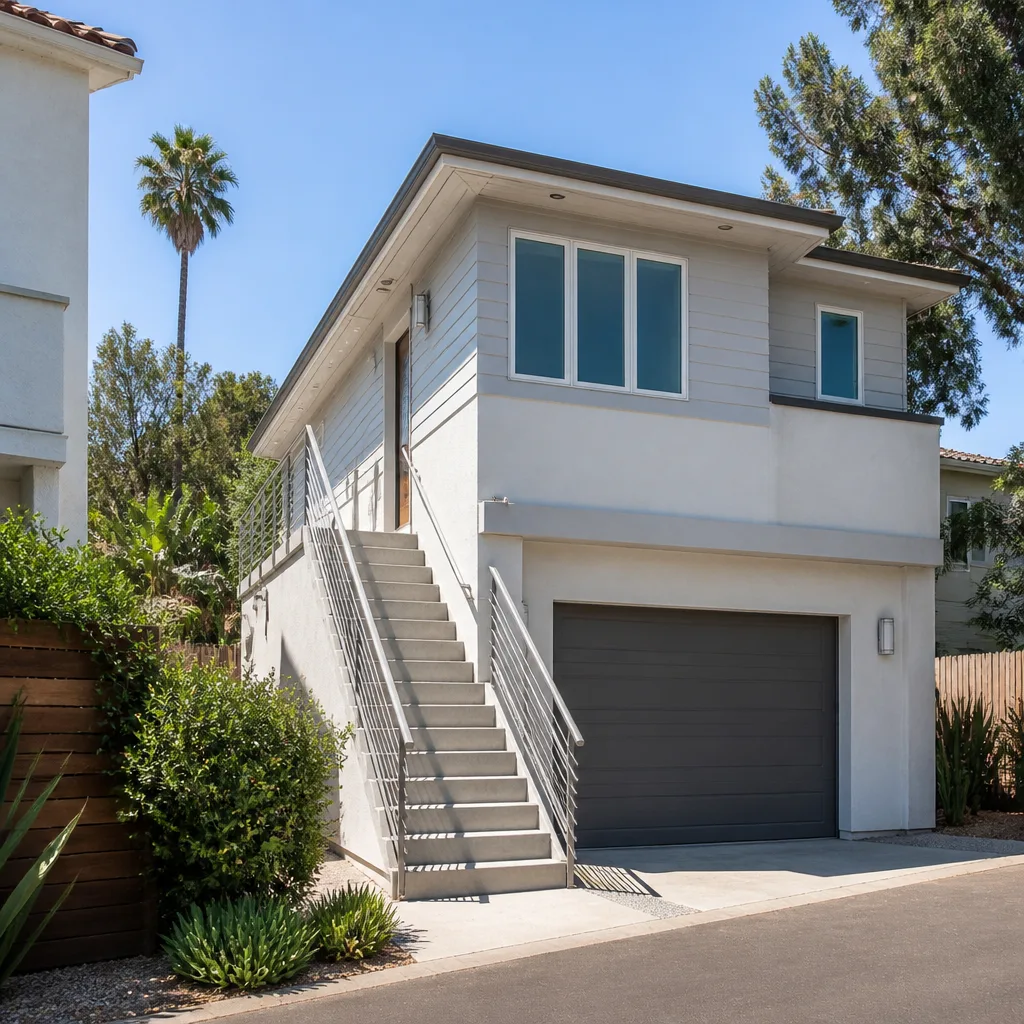
- Existing structures. If there’s a garage to convert, that’s its own category. Converting a garage into living space is often the highest-return path for a homeowner, and it’s a very different project from a new detached ADU. Our Paradise work covers all three pathways, so we can tell you which one your property actually supports.
None of these conditions rules out one path entirely. They shift the balance. A flat lot with good access and nearby utilities is a genuine toss-up. A constrained or oddly shaped lot tilts toward site-built.
A Step-by-Step Way to Choose
If you’re stuck between the two paths, here’s how we talk it through with homeowners:
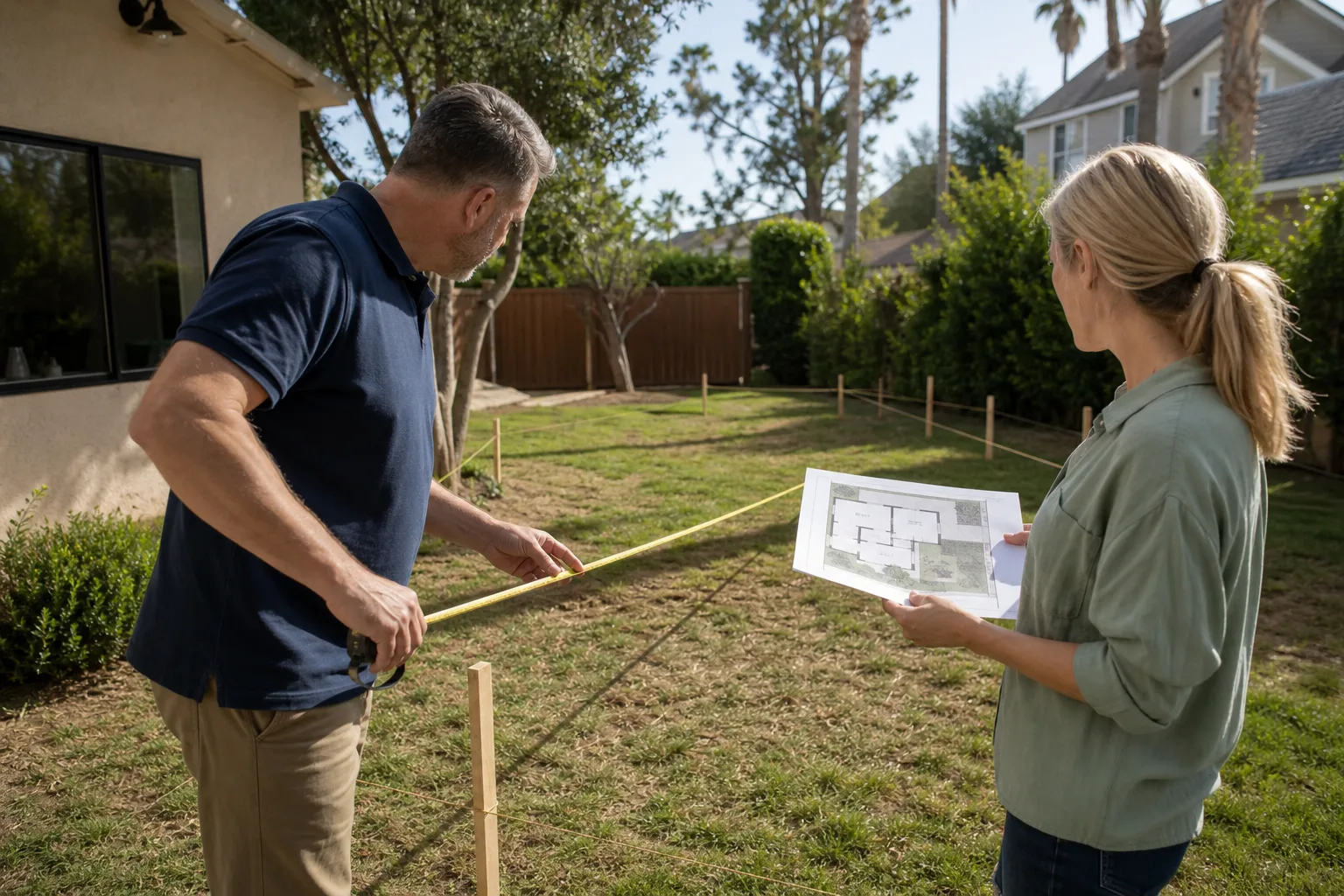
- Start with the lot, not the unit. Sketch the usable footprint, note the access for a truck and crane, and measure the distance to utilities. This decides half the answer before you look at a single model.
- List your non-negotiables. If a specific layout is essential, site-built supports it. If you want to pick finishes from a fixed catalog and stop deciding, prefab supports it.
- Get a written site-work estimate. Ask a local ADU specialist for a line-item estimate of site preparation, foundation, and utility work. Compare that number against the prefab quote’s stated scope. The gap is where surprises live.
- Read the scope on the prefab brand carefully. Identify exactly which items are the factory’s and which are yours. Local permitting, site work, and inspections usually sit on your side.
- Confirm the permit path with the city. Ask the planning or building department about review for your specific property. Rules depend on the city and the lot, and we confirm them before plans are final.
- Compare apples to apples. Put the full prefab project (unit plus site work plus delivery plus local permits) next to the full site-built project. Only then does the total cost and timeline comparison mean anything.
Work through these in order and most homeowners land on a clear answer within a couple of weeks.
What Each Path Costs and What Drives the Number
Here’s the honest answer on cost: every ADU project is priced per job by a written estimate, and the ranges you’ll find online rarely survive contact with a specific Paradise lot. Rather than throw out numbers that won’t apply to your property, it’s more useful to understand what drives the total on each path.
- Site work. Grading, foundation, drainage, and utility trenching carry the same core cost on either path. They’re just as unavoidable for prefab as for site-built.
- Foundation type. Pier-and-beam, slab, or a crawl space all price differently. The foundation has to suit the unit, whether it’s a factory module or a site-built shell.
- Utility connections. The length of the run and whether a new service or an existing one is used both move the number.
- Finishes. Prefab packages specify the finishes up front, so the number is stable. Site-built jobs can land higher or lower depending on allowances, and allowances are where budgets drift if they’re not nailed down in writing.
- Delivery and set. Prefab adds crane and transport costs. Site-built spreads labor across the build. Both add up, just differently.
When we prepare an estimate for a Paradise ADU, we write it line by line so you can see where the money goes and compare a prefab package to a site-built quote fairly. There are no change orders for surprises we could have anticipated. If you want the number, the written estimate is the only one that counts.
Common Mistakes to Avoid
- Taking the 12-week headline at face value. The factory clock doesn’t start until site work is done, and on a Paradise lot that can add 6 to 10 weeks before the factory even ships. Budget the whole project, not just the unit.
- Skipping the site-work estimate. Homeowners who compare a prefab unit price to a full site-built project come away thinking one is half the cost of the other. Estimate the site work first and the comparison gets honest.
- Assuming factory inspection replaces local permits. Prefab units still need local permits and inspections. Rules depend on the city and the lot, so confirm the path with the planning or building department before you commit.
- Ignoring crane and delivery access. A prefab module needs a truck and a crane. If your street, driveway, or lot can’t host both, the prefab plan stops working no matter how good the unit is.
- Letting allowances go loose. On a site-built ADU, unpriced allowances on flooring, cabinets, and fixtures are the top source of budget drift. Pin every allowance to a real product and a real number before you sign.
- Choosing on marketing instead of your lot. The brands photograph beautifully. Your property still decides which path fits. Start with the lot, not the brochure.
- Forgetting the garage-conversion option. Sometimes the best path isn’t a new detached ADU at all. Converting an existing garage into living space is often the highest-return project available to a homeowner with the right structure.
When to Call a Professional
You should call a professional as soon as you have a rough idea of where the ADU would go and how you’d use it. That’s the point where a site walk-through can tell you whether prefab or site-built even applies to your property, and it’s far cheaper than learning it after you’ve ordered a module. A specialist can flag crane access problems, utility distance, grading needs, and layout constraints that decide the whole question. Casita Builders Paradise offers free estimates in Paradise – call (888) 576-4674. We answer 24/7, with fast dispatch from 7am to 7pm, Sunday through Friday. We’ll compare prefab and site-built for your specific lot, walk you through both, and put the numbers in writing.
Frequently Asked Questions
Usually not as much as marketing implies. Prefab’s speed advantage comes from building the unit while site work runs, not from skipping site work, and site preparation on a Paradise lot can take 6 to 10 weeks before the factory clock even starts. The full project timeline usually runs close to a site-built job once site work, delivery, and plan review are included. Call (888) 576-4674 for a project-specific comparison – estimates are free.
It depends on your lot, and every ADU is priced per job by a written estimate. Prefab often costs more per square foot on the unit itself but can stabilize the budget by fixing finishes up front, while site-built costs move with your allowance choices and site conditions. The only way to know for your property is to get both paths estimated with the site work included. Call (888) 576-4674 for a written line-item estimate.
Yes. Prefab units still go through local permitting and inspection, and factory certification doesn’t skip the local review step. The rules depend on the city and the lot, so we confirm them with the planning or building department before plans are final. Call (888) 576-4674 and we’ll walk you through the path for your property.
They differ mainly in how much of the project they manage and what they leave with you. Abodu runs toward an end-to-end service model, Cover streamlines around fixed designs with a clear scope of what’s included, and Dvele leans toward a higher-spec, design-forward unit. In every case, local site work and utility connections sit on your side of the handoff. We work with all three and can match the right one to your lot. Call (888) 576-4674.
Yes, and it’s often the smart middle ground. A site-built shell framed with prefab structural panels, or a site-built house with a factory-built modular bathroom pod, captures some factory efficiency without the delivery constraints of a full module. It keeps the layout flexibility and local accountability of site-built construction. Call (888) 576-4674 to talk through whether a hybrid package fits your property.
It depends on the garage and the lot, but a garage conversion is often the highest-return path for a homeowner with the right structure. It avoids new foundation and shell costs and uses a building envelope that’s already there. Whether it’s the better choice depends on the garage’s condition, situation, and what the city allows. Call (888) 576-4674 for a free estimate and we’ll compare it side by side with a new detached ADU.
The Bottom Line
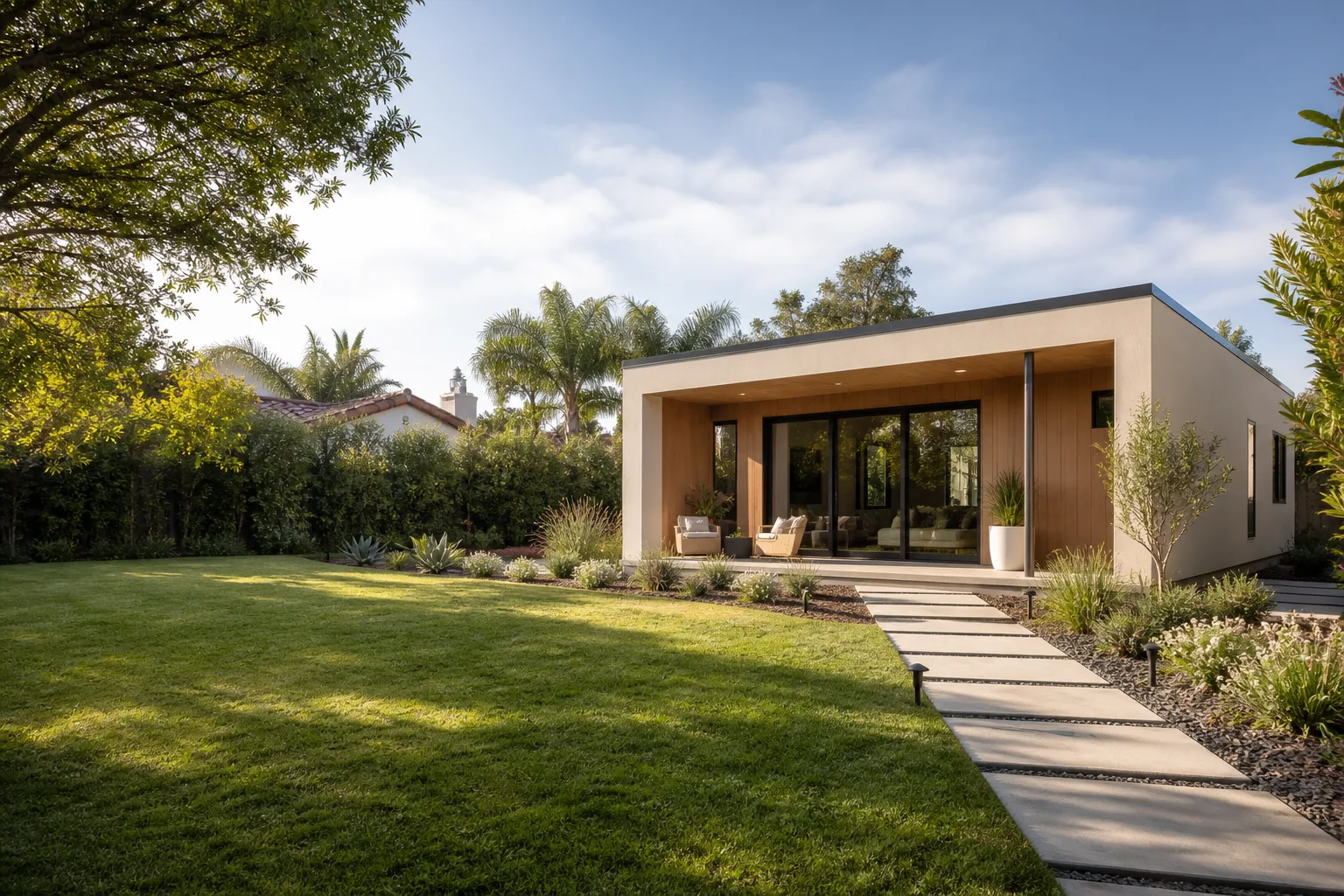
Prefab and site-built are both real paths to an ADU in Paradise, and neither wins across the board. Prefab from Abodu, Cover, or Dvele wins on design certainty, factory-controlled quality, and known finishes. Site-built wins on lot fit, local accountability, and delivery risk. The honest comparison includes site work, crane access, and plan review on both paths, because that’s where the timeline and the budget actually live. Start with your lot, get both paths estimated in writing, and choose based on what your property supports. That’s the whole decision.
Ready to Compare Prefab and Site-Built for Your Paradise Lot?
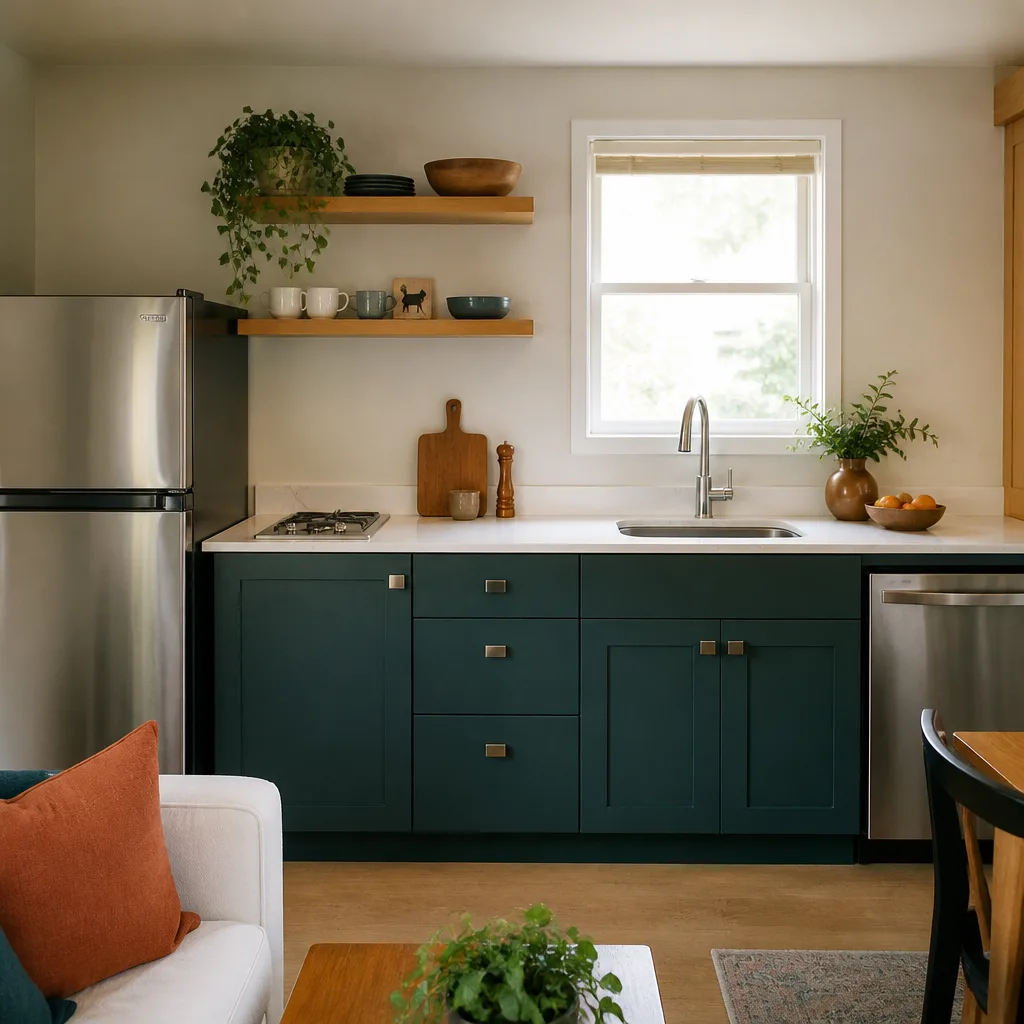
Casita Builders Paradise specializes exclusively in ADU work: new ADU construction, room additions, and garage conversions. We work with the major prefab platforms and we build on site, so our recommendation comes from your property, not a single vendor. From permit to move-in, we own the process and put the numbers in writing.
Call (888) 576-4674 for a free estimate. We answer 24/7, with fast dispatch from 7am to 7pm, Sunday through Friday. Your property, fully realized, starts with one conversation.
Written by the team at Casita Builders Paradise.